A commercial roof is expected to do more than just cover your building. The roof must protect the house, preserve its structure underneath, and perform reliably through the heat, rain, and storm season of Florida. And in this, one of the most ignored factors behind decreased performance of the roof is drainage. Do you know that in commercial roofing, drainage is not a minor design detail for a house to work sustainably? It is one of the main systems that determines how long a roof lasts and how well it handles the weather stress of Florida’s climate.
Due to the damage done by the storms, the water on the roof gets stuck between any empty spaces available, like a crack or when a shingle goes missing. Because of this, stored water in the empty space, even with a strong roofing system, can begin to fail. These ponding water, clogged drains, slow runoff, and unnoticed low spots can all create pressure on roofing materials over time. That is why building owners who want long-term value must take roof drainage seriously to protect their house and property for a long time.
Why Drainage Matters So Much in Commercial Roofing
If you have ever noticed that commercial roofs are generally designed as low-slope or flat because this design works well for larger buildings, it also means water cannot run off as quickly as it does on steep designs of residential roofs. That’s why a design like that needs proper drainage planning, as rainwater can sit on its roof surface for long periods and slowly weaken its roofing system.
When you have good drainage in commercial roofing, it helps properties:
- Move water away from the roof surface
- Reduce stress on membranes and seams
- Lower the risk of leaks and interior moisture damage
- Protect insulation and structural decking
- Support longer roof life with fewer repairs
Ponding Water Is More Serious Than It Looks
If you ever come across roofing problems, one of the biggest warning signs is drainage failure of the ponding water. This happens due to the collection of rainwater on the roof for a long time because of the aftereffects of the storm. At first, it may seem harmless to you, but repeated water buildup on the roof can cause major issues in your property.
When what gets stored and stays there on your roof for a long time, then it can create issues like
- Speed up membrane wear
- Increase the chance of seam separation
- Add weight stress to the roof deck
- Encourage algae or mold growth
- Lead to insulation damage below the surface
So if you are property owners, these things mean danger to your pockets, as these issues can later reduce performance and a higher chance of needing costly repair works sooner than expected by you.
Drainage Problems Often Lead to Bigger Roof Repairs
In many cases, professionals find drainage issues as the major hidden cause behind your repeated roofing repairs. A leak in the roof can be easily repaired by you with some DIY, but you never know that those leaks are happening because your roof continues to hold water in the same area where you repaired the leak, and then these leaks become recurring damage on the roof, which can’t be solved by any DIY tricks. This is why drainage should always be evaluated as part of your broader commercial roofing strategy to maintain your property for longer years.
If you keep on noticing that your buildings have frequent pooling, clogged drainage points, or recurring leak zones, then it may be time for you to bring in professionals who are experts on roofs and the drainage system.
In Florida’s nearby areas, many businesses rely on expert Commercial Roof Repairs in Lutz when their roofing problems begin to point to larger drainage concerns to them.
Storm Damage Can Make Drainage Worse
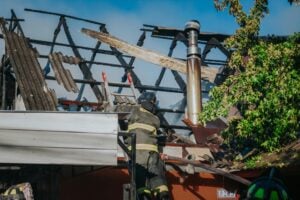
When Florida’s atmosphere starts getting heavy storms, these storms do more damage to your roofing materials. They can also impact the parts of the roof responsible for directing water away. Wind-blown debris may block drains, flashing may shift, scuppers may loosen, and gutters can become overloaded or detached.
That is why storm damage roof repair in Tampa, Florida, often involves more than patching visible damage. It also means checking whether the drainage system is still functioning properly after the storm. A roof may survive the first round of rain, but if drainage pathways are damaged, the next storm could create much bigger issues.
The same applies to storm damage roof repair in Lutz, Florida, where heavy rainfall and storm debris can quickly turn a manageable roofing issue into ongoing water intrusion if drainage is not restored.
Common Signs of Commercial Roof Drainage Problems
Many drainage issues develop over time. Which is why when you start noticing warning signs, you must act fast to prevent them. The earlier you notice them, the easier it becomes to correct them for professionals.
Here are some signs that building owners and managers should watch for:
- Water sitting on the roof for more than 48 hours after rain
- Overflow near roof edges or drainage outlets
- Stains on interior ceilings or upper walls
- Sagging areas or soft spots on the roof
- Clogged drains filled with debris
- Repeated leaks in the same section of the building
When you notice all these maintenance issues, then you must not think of them as maintenance annoyances. There are signs that your drainage system may be weakening and affecting your commercial roofing performance.
What Makes an Effective Commercial Roof Drainage System
The most effective drainage setup depends on its size, slope, and the design of the building. But there is no one universal answer for every property, but you must know that successful systems usually combine smarter layouts with regular maintenance. It is time to seek professional advice, and you need to hire a roofing contractor, as this person will be able to assist you in calculating and estimating the most appropriate roofing and drainage system to use in your house.
Common drainage solutions include:
- Internal roof drains for larger flat roofs
- Scuppers that move water through parapet walls
- Gutters and downspouts for edge-directed drainage
- Tapered insulation systems that improve water flow
- Overflow drains for added storm protection
The goal is simple: move water away from the surface quickly and consistently. A strong commercial roofing system is not complete unless its drainage works just as reliably as the membrane or panels above it.
Maintenance Is Just as Important as Installation
Even a well-designed drainage system can fail if it is ignored. Leaves, dirt, roofing granules, and storm debris can block water flow and create overflow. Small blockages lead to bigger problems when the next rainstorm hits.
Routine maintenance should include:
- Clearing drains and scuppers
- Inspecting gutters and downspouts
- Checking for low spots or ponding areas
- Reviewing seams near drainage outlets
- Looking for hidden moisture signs inside the building
Regular maintenance is also used to ensure the safety of the entire commercial roofing as well as minimize emergency repair calls throughout storm season.
When to Call Roofing Experts
If your property has recurring leaks, standing water, or signs of storm-related drainage disruption, it is time to call roofing professionals. Drainage problems are rarely solved with surface patching alone. The full system must be evaluated to understand where water is collecting and why it is not draining properly.
Professional help becomes especially important when:
- Leaks keep returning
- Ponding water is visible after each storm
- Drainage outlets overflow
- Storm debris has affected the roof’s performance
- Repairs have not resolved the underlying issue
In such cases, having competent teams to do masterful Commercial Roof Repairs in Lutz or storm damage roof repair in Tampa, Florida, is able to discover the root of the problem rather than just relieving the symptoms.
Conclusion
Drainage plays a much bigger role in roof performance than many property owners realize. In commercial roofing, water management affects everything from roof lifespan and leak prevention to repair frequency and structural protection. A strong roof is not only about quality materials. It is also about making sure rainwater has a clear path off the building every time it storms.
At Magnum Restoration, the focus is on roofing solutions that work in real conditions, not just on paper. That means looking beyond the surface and helping commercial property owners protect their buildings through smart repairs, storm response, and dependable roof performance.
FAQs
Q. Why is proper drainage important for commercial roofing systems?
Correct drainage will eliminate standing water, decrease the wear of materials, preserve insulation, and assist in increasing the life of the commercial roof.
Q. How do drainage issues affect commercial roofing performance?
Ponding water, leaks, damaged membranes, stress on the structure, and frequent repair requirements throughout the roof system can be caused by drainage problems.
Q. Can storm damage impact commercial roof drainage systems?
Yes. Storms may block drains, break flashing, move gutters, and block scuppers that decrease the capacity of the roof to drain water appropriately.
Q. When should you call experts for commercial roof drainage problems?
You should call experts when water remains on the roof after rain, leaks keep returning, drains overflow, or storm damage affects drainage flow.
Q. What is the most effective drainage system for commercial roofs?
The most suitable system is the one that is based on the building design, the internal drains, scuppers, tapered insulation, and correctly sized gutters all work when installed and maintained properly.