The weather in Florida is usually extreme, be it the scorching heat or the flooding rains. One stretch of brutal heat bakes the surface, making it age faster than it should. Then a storm rolls in, the wind gets under one weak edge, and suddenly the conversation is no longer about maintenance. It’s about water intrusion, insurance photos, and whether you now need storm damage roof repair in Tampa FL, because the roof that “still had a few years left” just got exposed. Homeowners require innovative roofing materials to escape this situation.
Successful waterproof roofing results from good materials and the right techniques. However, there is this one mistake people keep making. They shop by appearance first, price second, and performance last. Moreover, there are more aspects to the storm damage roof repair in Tampa FL. In addition to the expert metal roof installation in Tampa, you can also look into the tile roof replacement Tampa FL. So, are you ready to dig deeper into innovative roofing materials for extreme Florida weather? Let us not wait any longer; let us explore it further.
The Old Roofing Logic Breaks Down Fast In Florida
New times call for new solutions and new measures. Now, that is not just a saying; it applies in real life as well. Many homeowners still think roofing material is mostly a style choice. Shingles for affordability. Tile for looks. Metal for modern homes. End of story.
In Florida, the material you choose decides how your roof handles heat retention, wind uplift, moisture cycling, salt-heavy air, algae exposure, and the kind of storm pressure that tests every weak attachment point. The catch? A roof doesn’t fail only because the material was bad. It fails because the wrong material was matched to the wrong structure and installed the wrong way, with the wrong expectations.
That’s where innovative roofing materials actually matter. Not as a trendy label. As a real shift in how we think about roof performance under pressure.
Why “Good Enough” Roofing Usually Gets Expensive Later
People love the phrase “builder grade” until the repairs begin.
A roof in Tampa Bay doesn’t need to be fashionable. It needs to be disciplined. That means better impact resistance, better reflective performance, better fastening systems, better water shedding, and a material profile that fits the slope, shape, and exposure of the home. If a product looks great in a brochure but struggles under real Florida abuse, it’s not a smart choice. It’s a delayed invoice.
What Innovation Actually Looks Like On A Real Roof
Let’s be honest. Innovation in roofing is rarely flashy.
It usually shows up in coatings, fastener systems, underlayment improvements, wind ratings, reflective surfaces, impact-resistant blends, and material assemblies that work together better than older setups. The real story is not that roofing suddenly became futuristic. It’s that manufacturers and installers finally got serious about what roofs are actually up against.
Quiet Upgrades Matter More Than Marketing
Reflective metal systems are one example. So, architectural shingles are engineered for better wind resistance and longer-term performance under UV stress. Tile systems have also improved when paired with modern attachment methods and upgraded waterproofing layers beneath them. Even the underlayment conversation has changed. More roof failures begin below the visible surface than most homeowners realize.
That’s why innovation is not just about the outer layer. It’s the full stack. Material, attachment, ventilation, waterproofing, and edge detailing. Miss one of those, and the “premium” roof can still underperform.
Metal Gets Dismissed For The Wrong Reasons
Some people still hear “metal roof” and imagine noise, glare, or a commercial-looking house that feels out of place in a Florida neighbourhood.
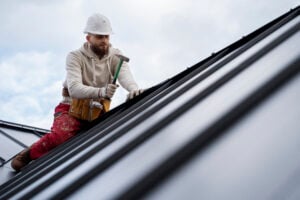
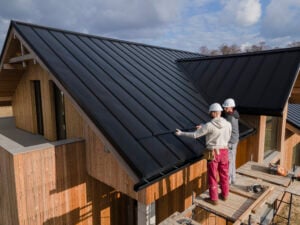
Modern metal roofing has become one of the strongest answers for heat and storm exposure when it’s designed and installed properly. It sheds water quickly, reflects more solar energy than many conventional systems, and withstands wind exceptionally well when the panel profile, fastening method, and edge details are right. That’s why demand for expert metal roof installation in Tampa keeps rising among homeowners who are tired of replacing average roofs with slightly better average roofs.
Reason Metal Makes Sense In High-Stress Climates
Metal doesn’t solve everything. It costs more upfront. It requires skilled workmanship. Bad installation will still punish you. But when the job is done right, you get a roof that takes Florida seriously. That matters. Especially when the alternative is to spend less now and re-enter the repair cycle sooner than expected.
Shingles Makes Sense
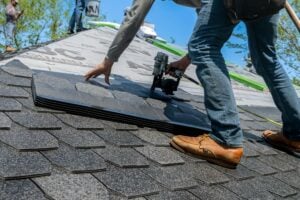
There’s a bad habit in roofing conversations where people talk about shingles as if they’re automatically the weak option. That’s sloppy thinking. Standard shingles and high-performance architectural shingles are not the same product in real-world performance. Better asphalt systems now come with stronger wind ratings, improved adhesive sealing, and impact-resistant options that make them far more competitive than older low-end shingle roofs. For homeowners balancing budget and performance, asphalt shingle roof replacement in Lutz can still be a very smart move if the product tier and installation quality are taken seriously.
Where Shingle Roofs Still Win
Shingles remain attractive because they offer design flexibility, easier repair in some cases, and a lower entry cost than premium metal or tile. The problem is not the shingles themselves. The problem is treating all shingles as interchangeable. They are not. In Florida weather, details matter more than labels.
Tile Is Beautiful. It’s Also Misunderstood.
Tile roofs carry a reputation for strength, luxury, and longevity. Fair enough. But people either overrate them or underestimate them. Rarely anything in between.
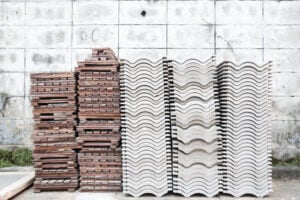
Here’s the kicker: tile can perform extremely well in Florida, but it is not invincible. The tiles themselves may last a very long time, yet the system beneath them still matters. Underlayment ages. Flashing fails. Attachments loosen. Storm debris can crack individual tiles even when the overall roof remains sound. So if someone is considering tile roof replacement Tampa FL, the smarter conversation is not “How long do tiles last?” It’s “How does this full tile system perform after years of storms and heat?”
Roof System Protects The Beauty
Tile works best when the structure can support it, the slope is appropriate, and the installation is handled by people who understand the hidden components, not just the visible tiles. A beautiful tile roof with weak underlayment logic is still a problem waiting for a storm.
Smartest Roofs Are Hybrid Without Advertising It
We’ve moved into an era where some of the best-performing roofs are not defined by a single material but by how multiple components work together. A home might have one primary surface material, but the performance comes from hybrid thinking: better synthetic underlayments, reflective barriers, reinforced edges, upgraded ventilation, targeted flashing, gutter integration, and section-specific detailing around valleys, solar attachments, and transitions. That’s the part many homeowners never hear.
Roof System Is More Important Than A Roof Label
You don’t buy resilience by picking a category. You build it by combining the right elements. That also changes how people think about budgeting. Sometimes, the smartest use of money is not the fanciest visible roof. It’s the better system underneath, supported by a realistic financing plan. That’s where roof replacement financing Tampa FL, becomes part of the performance conversation, not just the payment conversation.
Because a roof that better withstands Florida is not always the cheapest. It’s the one that saves you from making the same mistake twice.
The Real Question Isn’t What Lasts Longest
It’s “What fails slowest under Florida pressure?”
That question forces honesty. It shifts the conversation away from sales language and toward real exposure, real maintenance, real storm behaviour, and real long-term cost. Homes near salt air don’t behave the same as inland homes. Mature tree cover changes debris exposure. Solar panels change water flow and service access. Low slopes, complex valleys, and older decking all reshape what “best material” really means.
So when people ask about innovative roofing materials, the real answer isn’t a single magic product. It’s choosing the material system that matches the abuse your specific roof will take. Stop asking what looks premium from the driveway. Ask what still performs after five hard Florida seasons. Then connect with the Magnum Restoration to answer the questions without flinching.
FAQs:
Q. Which materials resist hurricanes best?
The innovative roofing materials that will provide the best protection from the extreme weather of Florida, like hurricanes, are metal roofing systems and properly installed high-wind-rated tile or architectural shingle systems. They can all perform well, but metal often takes the lead in wind resistance when paired with expert fastening and edge detailing. The material alone is not enough. Installation quality decides whether the roof resists uplift or becomes the next insurance claim.
Q. Are metal roofs better than shingles for heat?
In many cases, yes. Metal roofs, especially reflective systems, tend to handle solar heat more efficiently than traditional shingles. That’s one reason expert metal roof installation in Tampa is often chosen by homeowners seeking better heat performance and long-term value.
Q. How durable are tile roofs in storms?
Tile roofs can be very durable, but they are not indestructible. The tiles may last for decades, yet storms can crack individual pieces, and the underlayment beneath them still ages. For anyone considering tile roof replacement Tampa FL, durability should be judged as a system, not just by the tile itself.
Q. What are the newest roofing innovations?
The newest advancements are often less visible than people expect: reflective surfaces, impact-resistant shingles, improved fastening systems, synthetic underlayments, better ventilation design, and more advanced water-management layers. That’s the real evolution behind today’s innovative roofing materials.
Q. Can hybrid roofing systems work in Tampa?
Yes, and in many cases they should. Hybrid thinking is already shaping better roof performance in Tampa by combining strong surface materials with improved underlayments, drainage planning, ventilation, and storm-focused detailing. In this market, the best roof is often the best system, not the most famous material.