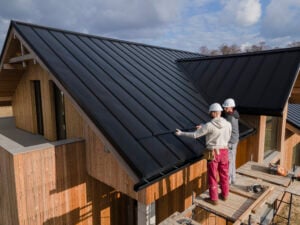
A storm can pass in a few hours, but the roof damage it leaves behind can keep getting worse for weeks. What looks like a minor issue from the ground may already be letting moisture into your attic, weakening shingles, or creating the kind of leak that shows up only after the next heavy rain. That is why homeowners often turn to Residential Roof Repair Services in Tampa soon after a storm instead of waiting for the damage to start becoming obvious to them.
In Tampa, roofs deal with strong wind, driving rain, flying debris, and heat that can amplify storm wear and tear of the roof. The key is knowing which warning signs deserve your immediate attention or not. And when you act early, it can save you from larger repair bills, interior damage, and even an avoidable replacement.
Why Post-Storm Roof Checks Matter
Storm damage is not always dramatic in terms of hurting your house’s roof. Sometimes the biggest problems can start with one lifted shingle, one loosened flashing edge, or one small puncture near a vent of the roof. Once water gets in, it can work as a dirty little mole that creeps into all the places in your house, which can affect insulation, ceilings, drywall, and even the indoor air quality of your house.
That is why professional storm damage roof repair in tampa fl is often less about reacting to visible leaks in the roof and more about catching its hidden issues early.
To find these hidden issues, you can take the help of an expert, as he can do a prompt roof inspection that can help you, as a homeowner, to understand whether you need targeted repairs, a broader restoration plan, or, in some cases, full replacement of your roof or not.
Sign 1: Missing, Lifted, or Curled Shingles
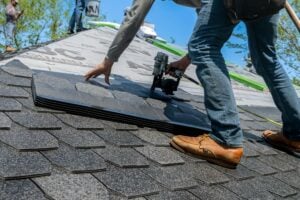
One of the clearest signs you need Residential Roof Repair Services in Tampa is visible shingle damage on your roof. High winds can loosen shingles even if they are not fully torn off. Once shingles lift, the layers beneath them become more vulnerable to water and are much likely that water gets in.
signs you can notice:
- Bare spots on the roof
- Shingles lying in your yard
- Edges that appear raised or bent on your roof
- Uneven roof sections after strong wind
If you notice the following signs mentioned and ignore them, purposely leaving the damages as they are, then this kind of issue can quickly turn into a larger residential roof leak repair problem that can cost you a lot of money in the future.
Sign 2: Rainwater Stains on Ceilings and Walls
Interior damage is often where homeowners first notice something is wrong. They start to notice brown spots appearing on the ceilings, damp drywall, peeling paint, or bubbling textures in walls, which are some of the signs that indicate that stormwater has already entered their home.
This is one of the strongest signs that tells you, as a homeowner, that you need an immediate residential roof leak repair, and you should not wait for the next round of rain to increase the intensity of the damage done by water.
Sign 3: Granules in Gutters or Near Downspouts
After a storm, you should always check your gutters and downspouts. If you notice heavy shingle granule buildup, your roof may have lost part of its protective surface and is now clogging the gutters of the roof. These granules, which come down from your roofs, help shingles to resist UV exposure and water intrusion. Once they wear away consistently, they speed up the aging process of your roof.
Which is why homeowners, who are dealing with older residential roofing tampa systems, often describe this as an early signal for repairing their roof properly.
Sign 4: Damaged Flashing Around Vents, Valleys, or Chimneys
After a storm hits your roof, its Flashing is one of the most common weak points that can be damaged easily by a storm. Winds can lift it, rainwater can work its way underneath, and debris impact can break seals around roof penetrations for more water to invade your house.
Because flashing that important part, which protects key transition points, damage occurring to it can lead to leaks even when the rest of the roof looks stable to your eyes. Here comes the part where professional roofers can help you identify whether the issues in your roof’s flashing need sealing, component replacement, or a broader repair plan in the future.
Sign 5: Dents or Panel Damage on Metal Roofing
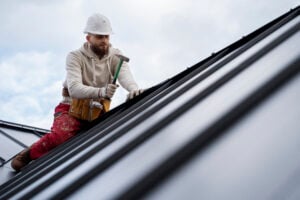
Storms do not only affect shingles. Homes with metal roofs can also experience damage from hail, flying branches, or fastener movement. Dents, seam separation, and punctures should be addressed quickly to protect the roofing system’s long-term performance.
If your home has a metal system, timely metal roof repair Tampa services can help restore weather protection before moisture reaches the layers below.
Sign 6: Sagging Areas or Soft Spots
A roofline should look stable and consistent. If you notice sagging sections, soft spots, or any uneven area that developed after a storm, do not ignore it. This can point to trapped moisture, weakened decking, or structural strain.
At this stage, homeowners may need more than minor repair work. A professional inspection can determine whether repair is still practical or whether residential roof replacement services in Tampa are the smarter long-term choice.
Sign 7: Emergency Leaks During or Right After the Storm
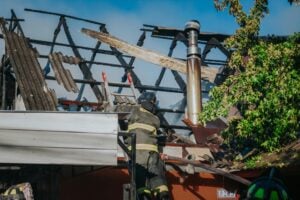
There are problems that just cannot be postponed. If water is actively entering the home, or if a storm leaves exposed sections of roofing behind, you need fast help from an Emergency Roof Repair specialist in Tampa. The emergency service assists in curbing any additional water infiltration and stabilizing the roof until the time permanent repairs are made.
Sign 8: Repeated Repairs in the Same Area
If the same roof section keeps needing work after each storm, the problem may go deeper than surface damage. Recurring trouble spots often point to aging materials, installation issues, or water intrusion beneath the visible layer.
This is where experienced residential roofing companies make a difference. Instead of patching the symptom again, they assess the condition of the broader roofing system and recommend the right fix.
Do Roofers Also Handle Larger Repair Types?
Some homeowners ask whether contractors who work on homes also take on industrial roof repairs or large-scale commercial work. The answer depends on the company. Some roofing teams specialize in residential projects, while others handle multiple property types. What matters most is hiring a contractor whose experience matches your roofing system and the level of storm damage involved.
Why Fast Action Protects More Than the Roof
Delaying repair after a storm can increase:
- Interior water damage
- Mold risk
- Insulation loss
- Fascia and decking deterioration
- Overall project cost
A small post-storm repair is almost always easier to manage than a major restoration. That is why homeowners often schedule storm damage roof repair in tampa fl even when the damage seems minor at first.
Conclusion
At the end of this blog, you already know that storm damage rarely announces itself all at once. It starts with a lifted shingle, a small leak, a dented panel, or a weak flashing edge appearing on your roof, and then grows with every new rainfall that hits Tampa’s weather. And when you are aware of these warning signs, it can help you as a homeowner to act before the roof damage spreads into larger and more expensive problems for you
To solve problems like Residential Roof Repair Services in Tampa, fast residential roof leak repair, you must contact an expert for guidance on the next step you should take to solve these problems.
And if you are looking for an expert who can give you guidance on the roof damage repairs, then you can contact Magnum Restoration, as our goal is similar to yours, which is protecting your home from external forces like the bad weather of Tampa.
FAQs:
Q. Will homeowners insurance cover a roof repair?
The answer to this question is a partial yes, but not always, because if the damage was caused by a covered peril such as wind or storm damage, coverage depends on your policy terms, exclusions, and deductibility of your insurance.
Q. What is the most expensive part of replacing a roof?
The repair cost mostly depends on materials, roof size, labor complexity, and any structural decking or underlayment repairs discovered after the tear-off, so all these factors result in how expensive the roofing repairs will be.
Q. What damages the roof the most?
As you are living in Tampa, then its high winds, heavy rain, flying debris, UV exposure, and poor drainage are among some factors that work together to cause your roof’s deterioration and storm-related failure in the future.
Q. What is the difference between residential roof repair and normal roof replacement services in Tampa?
To understand this, first you need to know that a repair addresses specific damaged areas, while replacement involves removing and rebuilding the roofing system. This happens when damage becomes too extensive to be repaired immediately.
Q. Do roofing contractors handle industrial roof repairs as well?
Some do, but not all. It depends on the contractor’s licensing, experience, and service focus they have.