How Your Roof Protects Your Home (and Why Ignoring It Can Cost You Thousands)
When people think of their roof, they often picture shingles or tiles. But your roof is much more than the outer layer you see from the street. It’s a complete system of components working together to protect your home, regulate temperature, and preserve property value.
Failing to understand the critical role of your roof can lead to overlooked problems, expensive repairs, and even compromised safety. In this article, we’ll break down how your roof protects you, what each part of the system does, and why regular attention can save you thousands over the lifetime of your home.
1. Your Roof as a Barrier Against the Elements
At its core, a roof is your home’s first line of defense.
- Rain & Snow: A properly installed roof prevents water intrusion that can lead to rot, mold, and structural weakening.
- Wind: Secure shingles and underlayment keep gusts from tearing into your home.
- Sun & Heat: Reflective or insulating materials reduce heat absorption and keep your attic—and energy bills—under control.
- Cold: In colder climates, proper insulation and ventilation prevent ice dams and heat loss.
Without a reliable roof, everything beneath it—framing, drywall, flooring, electrical systems—is at risk.
2. The Roof is a Complete System, Not Just Shingles
A roof works because its parts are designed to function together. Here’s a breakdown:
- Decking: The wooden base (plywood or OSB) that supports everything above it.
- Underlayment: A protective layer that keeps water from penetrating the decking.
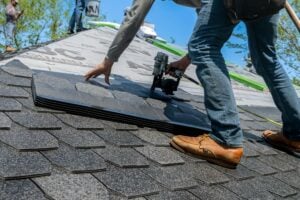
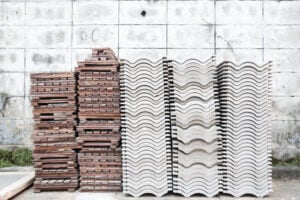
- Shingles or Tiles: The outermost layer that sheds water and resists UV rays.
- Flashing: Metal strips around chimneys, skylights, and valleys that seal vulnerable spots.
- Ventilation: Ridge vents, soffit vents, or fans that regulate temperature and moisture in the attic.
- Gutters & Downspouts: Channel water away from the foundation to prevent erosion and flooding.
If even one of these parts fails, the whole system is compromised. For example, missing flashing can lead to leaks even if your shingles look fine.
3. How Your Roof Protects Energy Efficiency
A good roof doesn’t just stop water—it helps control energy flow. Poor insulation or ventilation can make your HVAC system work harder.
- Heat Gain: Dark or deteriorated roofs absorb heat, raising indoor temps.
- Heat Loss: Without proper insulation, warm air escapes in winter.
- Moisture Control: Ventilation prevents condensation that can ruin insulation and framing.
The U.S. Department of Energy estimates that improving roofing materials and attic ventilation can cut cooling costs by 10–15% annually in hot climates.
4. The True Cost of Neglect
Many homeowners delay roof maintenance because the roof “looks fine.” But roof issues are usually hidden until it’s too late.
- Mold & Mildew: Water intrusion spreads silently in attics and walls.
- Structural Damage: Compromised decking and framing can weaken ceilings.
- Interior Damage: Stains on walls/ceilings, warped floors, ruined insulation.
- Foundation Issues: Water not channeled away can seep into basements or crawl spaces.
What starts as a $500 patch job can escalate into a $15,000 replacement—or worse, structural repairs.
5. Signs Your Roof May Be Compromised
Even without climbing on the roof, you can spot warning signs:
- Granules in gutters (shingle wear).
- Missing, curling, or cracked shingles.
- Sagging rooflines.
- Dark streaks or algae growth.
- Water stains in the attic or ceilings.
Catching these early makes the difference between simple repairs and a full tear-off replacement.
6. Why Regular Inspections Save Money
Experts recommend a professional roof inspection at least every 2–3 years, and always after major storms. A $200 inspection today could prevent thousands in repairs later.
During an inspection, roofers check:
- The condition of shingles or tiles.
- Flashing around penetrations (chimneys, skylights).
- Ventilation systems.
- Gutters and drainage.
- Attic insulation and airflow.
Magnum Restoration’s inspectors document findings with photos and written reports, helping homeowners make informed decisions.
7. Protecting Your Home’s Value
A neglected roof isn’t just a repair risk—it’s a resale risk. Real estate studies show:
- Homes with newer roofs sell faster and closer to asking price.
- A roof in poor condition can reduce home value by up to 10%.
- Many lenders and insurers refuse coverage on homes with visibly aging roofs.
A strong roof is more than protection—it’s an investment in property value.
8. The Bottom Line
Your roof protects everything beneath it: your family, your possessions, and your financial investment in your home. By thinking of it as a system, not just shingles, you’ll understand why inspections, maintenance, and timely replacements matter.
The cost of prevention is small compared to the cost of neglect.