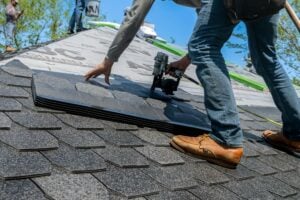
Dealing with roof damage is stressful enough. Dealing with the insurance side of it can feel even harder. After a storm, many homeowners are left asking the same questions: Is this covered? What should I document? How fast do I need to act? Understanding Roof insurance claims in Florida helps you move with more confidence and avoid mistakes that can slow down the process.
In Florida, roof claims often involve wind, hail, heavy rain, and urgent temporary repairs. The key is not just filing a claim. It is filing the claim the right way, with the right documentation, while protecting your home from further damage. Florida’s Department of Financial Services advises homeowners to report storm damage claims as soon as possible and to make emergency repairs, such as placing a tarp on the roof, to prevent additional damage.
Why Roof Insurance Claims Matter So Much in Florida
Florida roofs face some of the toughest weather conditions in the country. High winds, hurricanes, hail, and wind-driven rain can all create sudden damage that leads to leaks or structural issues. At the same time, homeowners need to understand that policy terms, deductibles, and coverage limits all affect what the insurer may pay. Florida’s Insurance Consumer Advocate specifically tells property owners to review their policy for claim, coverage, deductible, and roof-repair or replacement terms before or after a loss.
That is why learning how Roof insurance claims in Florida work is not just helpful. It is practical protection for your home and your finances.
The First Steps After Roof Damage
When a storm hits, your first priority should be to stay safe. Once it is safe to inspect the property, homeowners should document visible damage, protect the home from further loss, and contact their insurer promptly. Florida’s Department of Financial Services says to report the claim immediately, make emergency repairs like tarping to prevent more damage, and keep records of what happened.
A smart first-response checklist includes:
- Taking clear photos and videos of the roof and interior damage
- Saving receipts for emergency materials or temporary repairs
- Writing down the date of the storm and what you noticed
- Contacting your insurance company or agent quickly
- Scheduling a professional roof inspection
This is especially important if you suspect Storm damage roof repair in Tampa FL is needed, because small openings can become larger leaks after the next rainfall.
What Roof Damage Is Usually Covered?
Coverage depends on the policy, but sudden and accidental damage from covered perils is commonly the basis for a claim. That may include wind or hail damage, depending on your policy language. Florida’s official storm insurance Q&A notes that standard homeowners policies generally do not cover flood damage, while wind and flood are often handled separately, depending on the event and the coverage you carry.
That distinction matters. A roof damaged by hail or wind may be treated differently from water damage caused by flooding. Homeowners should not assume every type of storm-related roof issue is covered the same way.
If you are in an urgent situation, working with an Emergency roof repair specialist in Tampa can help stabilize the property while you move through the claim process.
Why Documentation Can Make or Break a Claim
One of the biggest differences between a smooth claim and a frustrating one is documentation. Insurers want proof of damage, proof of timing, and proof that you took reasonable steps to protect the property from further loss.
Helpful documentation includes:
- Date-stamped photos before temporary repairs
- Interior photos showing leaks or ceiling damage
- Weather event details, if available
- Copies of contractor inspection reports
- Receipts for tarping or emergency mitigation
Florida’s consumer guidance also warns homeowners not to sign documents too quickly after a storm and to be cautious of fraud. Some resources even say, “Following storm damage – DON’T SIGN ANYTHING – Call our helpline first!” and remind consumers that it is insurance fraud for a contractor to pay or waive a deductible.
Understanding the Hurricane Deductible
Many Florida homeowners are surprised by how hurricane deductibles work. According to the Florida Department of Financial Services, insurers must offer hurricane deductible options of $500, 2%, 5%, or 10% of the dwelling or structure limits, with some exceptions.
This means the deductible after a named-storm event can be much higher than a standard all-perils deductible. That is why roof claim outcomes do not always feel straightforward, even when the damage is real.
Why a Professional Inspection Helps
A professional roof inspection helps homeowners understand the actual condition of the roof before the insurer’s evaluation is complete. This can be especially helpful when the damage is subtle, such as lifted shingles, bruising from hail, flashing failure, or small punctures that may not be visible from the ground.
If the issue involves localized hail impacts, Hail damage roof repair in lutz fl may require a more detailed assessment than a simple visual check. The same is true when homeowners need Residential roof repair services in Tampa and want to determine whether the issue is repairable or points to broader system damage.
Professional roofers also help distinguish between storm damage and long-term wear, which is important because insurers often treat those issues differently.
How Long Does the Process Usually Take
The timeline varies by insurer, storm severity, claim volume, documentation quality, and whether the damage is disputed. Claims often move more slowly after major weather events because insurers receive a large number of reports at once. What homeowners can control is how quickly they report the claim and how organized their documentation is.
The faster you report, document, and secure the property, the stronger your position usually is.
How to Improve Approval Chances
No one can guarantee approval, but homeowners can improve their chances by following good claim practices:
- Report the claim quickly
- Prevent further damage with emergency mitigation
- Take detailed photos before cleanup
- Save receipts and written notes
- Use licensed roofing professionals
- Avoid signing rushed agreements after a storm
FAQs
Q. How to file an insurance claim?
Start by contacting your insurer or agent as soon as possible, document the damage with photos and notes, and make emergency repairs to prevent further loss. Florida’s Department of Financial Services specifically advises prompt reporting and temporary protective repairs such as tarping.
Q. What damage is covered?
That depends on your policy, but sudden storm-related damage, such as wind or hail, may be covered, while flood damage is typically not covered under a standard homeowners policy and usually requires separate flood insurance.
Q. How long does the process take?
It varies based on the insurer, the size of the storm event, the amount of documentation, and whether there are disputes about the scope or cause of damage.
Q. What documents are needed?
You should keep photos, videos, receipts for emergency repairs, inspection reports, claim correspondence, and a written timeline of what happened and when you reported it. Florida consumer guidance also encourages keeping records and acting quickly after storm damage.
Q. How to increase approval chances?
Report the claim promptly, document everything carefully, protect the property from further damage, use licensed professionals, and avoid signing questionable agreements right after a storm. Florida officials also warn consumers to watch for fraud and deductible-related misrepresentations.